

Top Art Fairs Every Artist Should Know in 2026
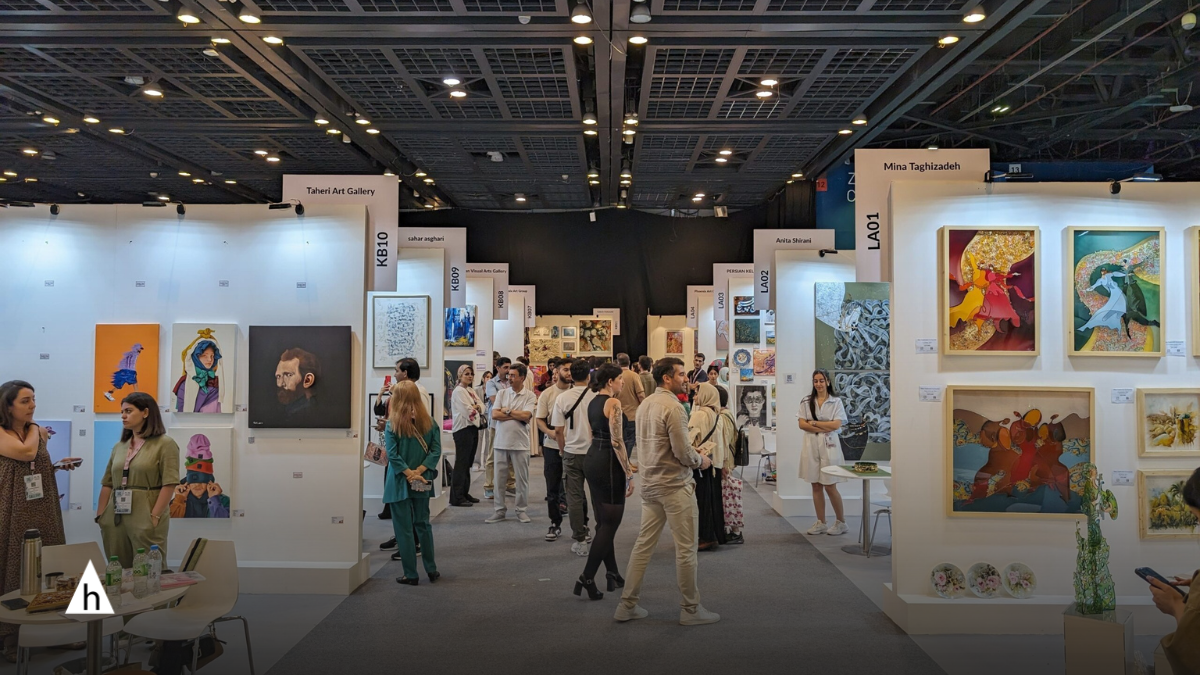
Art fairs continue to be one of the most influential platforms for artists to gain visibility and enter the global art market. They serve as a direct point of contact for collectors, galleries, and high-profile clients. Although the competition is high, the visibility is equally high. Artists can build career legitimacy purely by participating in art fairs.
But what kind of art fairs are there? What do they represent? Which ones do artists try to go after? With so many established art fairs, there are also new emerging ones. In this article, we explain the types of art fairs, what the path to participating in one looks like, and more. Let’s dive in!
What Are Art Fairs and How Do They Work?
Art fairs are curated events where artists and galleries exhibit and sell work to a wide audience. Curators, institutions, educational departments, and private organizations typically organize these. And if you’ve never been to an art fair, they consist of booths or dedicated exhibition spaces for participants–each representing different narratives, trends, or global topics.
The artworks are presented in a highly competitive visual environment, which can be overwhelming, but it’s the only way for collectors to attend and see as much high-caliber work as possible to purchase or discover.
How do these large art fairs work?
These fairs can be broken down into three main phases.
Preparation and Logistics
The main organizers will curate the event. The exhibitors are either artists themselves or galleries that will apply, pay the booth rental fee (which can range from a couple of hundred dollars to thousands, depending on how large the art fair is). Once accepted, it’s the galleries’ or artists’ responsibility for the logistics, meaning shipping, insuring, installing, and preparing the booth for display. Yes, all of this takes hard work!
2. Event Structure
Press, VIP Previews, Public Days, and Public Engagement are all part of this process. Press usually happens weeks before the event and is only held for major publications; i.e., news, magazines, etc. VIP Previews usually kick off the event itself with a private viewing for collectors, curators, and museum directors to see the work and buy before the public viewing. It’s a “first dibs” situation. Public Days are ticketed events mainly for the general public and tourists, or for all art lovers. During Public Days, the public will usually have the opportunity to engage with the gallery curators directly, answering any questions or purchasing artwork. Usually, on the first day, these events can get chaotic, but in a good way.
3. Sales and Networking
Purchasing art can be completed right at the booth. If a work speaks to you and it doesn’t have a red dot next to it, then it’s up for grabs! Sometimes artists have prints for sale, and galleries have a hidden stash for additional sales. But purchasing artwork isn't the only thing you can do at these art fairs; networking is highly vital for artists, fellow curators, and collectors. It’s a chance to meet and connect with potential future clients, curators who can display your art, or future endeavors. Depending on where the art fairs are located, either domestically or internationally, effective planning will have to be on your radar.
Why Artists Should Participate in Art Fairs
Art fairs can accelerate an artist’s visibility and commercial success–it directly exposes their artwork to the right people: buyers, curators, and gallery owners. Think of it as a pay-to-play concept. Not many people will admit this, but in personal experience, it’s the way to get noticed, in the right way and fast. It’s also a chance to sell your artwork at higher price points, especially if you’re an independent artist running your own booth or are represented by a gallery. Anticipate increasing your pricing because they will take a percentage of the sale.
Art fairs are also a fantastic way to network with other professionals, both on a domestic and international scale; you never know who you’ll meet. It’s a prime opportunity to work directly with curators and other established artists. Even by participating in an art fair, portfolio validation is achieved through the curated selection process, which further establishes your body of work and builds brand identity and credibility.
Top International Art Fairs in 2026
Whether you’ve heard or seen these art fairs through social media or by fellow artists, there are major global fairs that shape trends in the contemporary art market–and they’ve only gotten larger over time.
Art Basel remains the leading art fair globally. Founded in 1970, this European art fair began with 3 local gallerists in Basel, Switzerland. It aimed to connect European art with a new generation of international collectors, and it has expanded globally, operating in 4 main cities: Basel, Miami Beach, Hong Kong, Paris, and, recently, Qatar. Basel art fairs play a key role in shaping art trends, setting prices, and fostering professional networks among artists, curators, and collectors worldwide.
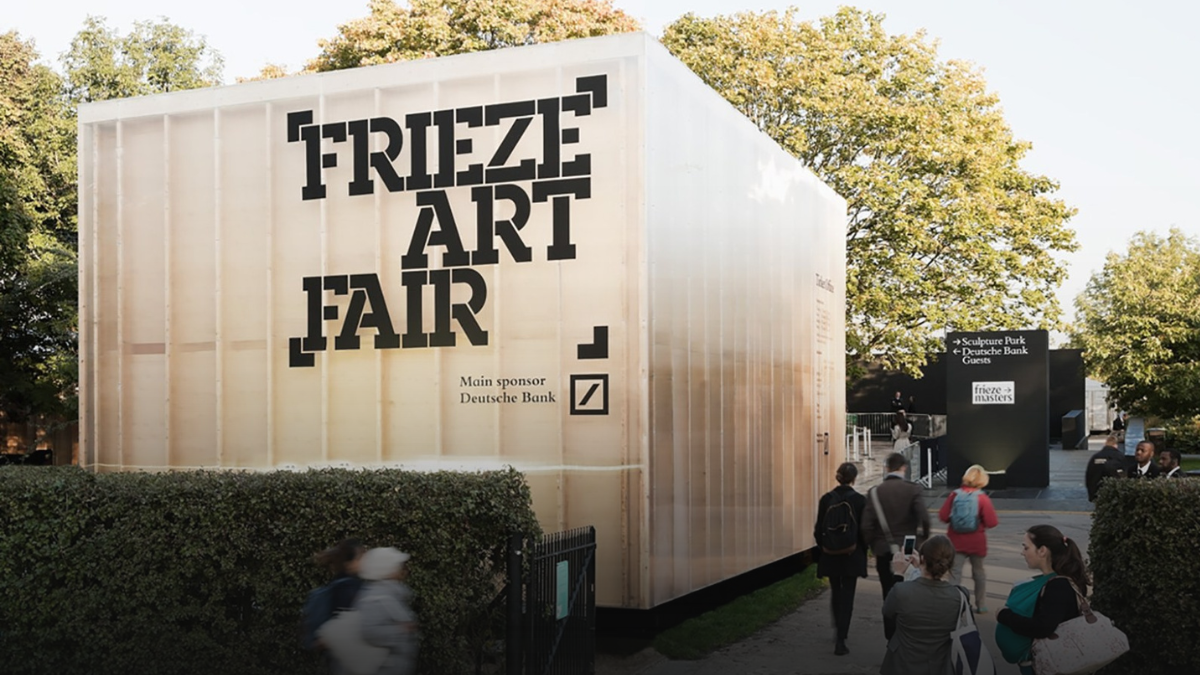
Frieze Art Fair focuses solely on contemporary art. It was established in 2003 by frieze magazine and has become one of the world's most influential contemporary art fairs. Held annually in October in London's Regent's Park, the fair has significantly boosted London's art market, sparking a "Frieze Week" that includes major gallery shows and auction house sales. It has since expanded globally to Los Angeles, New York, Seoul, and Abu Dhabi. Frieze acts as a crucial global marketplace and cultural barometer that shapes the careers of both emerging and established artists.
The Armory Show highlights modern and emerging artists. Its journey began in New York in 1913 with a massive exhibition introducing the American public to Europe’s avant-garde art, visually exposing them to Cubism, Fauvism, and Post-Impressionism for the first time. The success of this show only propelled it further, launching modernism into the country, forever shifting the art market. It helped shape how the city collected and valued modern art into a more lucrative market, which ultimately led to the establishment of major institutions like the Museum of Modern Art (MoMA) in New York. Today, it remains a cornerstone art fair in the city, bringing together domestic and international galleries.
TEFAF Maastricht emphasizes high-end fine art and antiques. Held in Maastricht, Netherlands, this art fair brings together over 7,000 years of art history across 20 countries under one roof! Collectors and art enthusiasts can find art ranging from ancient historical antiques to Old Master paintings to rare manuscripts and everything in between within the fine arts sector. This diverse international art fair sets the gold standard for vetting, with a strict, non-commercial process that involves dozens of experts, scholars, and scientists who examine each object. Think of this as the hub for museum acquisitions.
Singapore Art Week (SAW) continues expanding its Asia-Pacific influence. Since its debut in 2013, organized by the National Art Council, this 10-day art fair has showcased the region’s visual art landscape. It typically takes place in January to bring together local and international artists, galleries, and spaces to promote a growing cultural cornerstone in Asia. But this art fair helps foster talent by providing funding and support for Singaporean and regional creators, which prompts diverse cultural dialogue and tech-driven contemporary artworks.
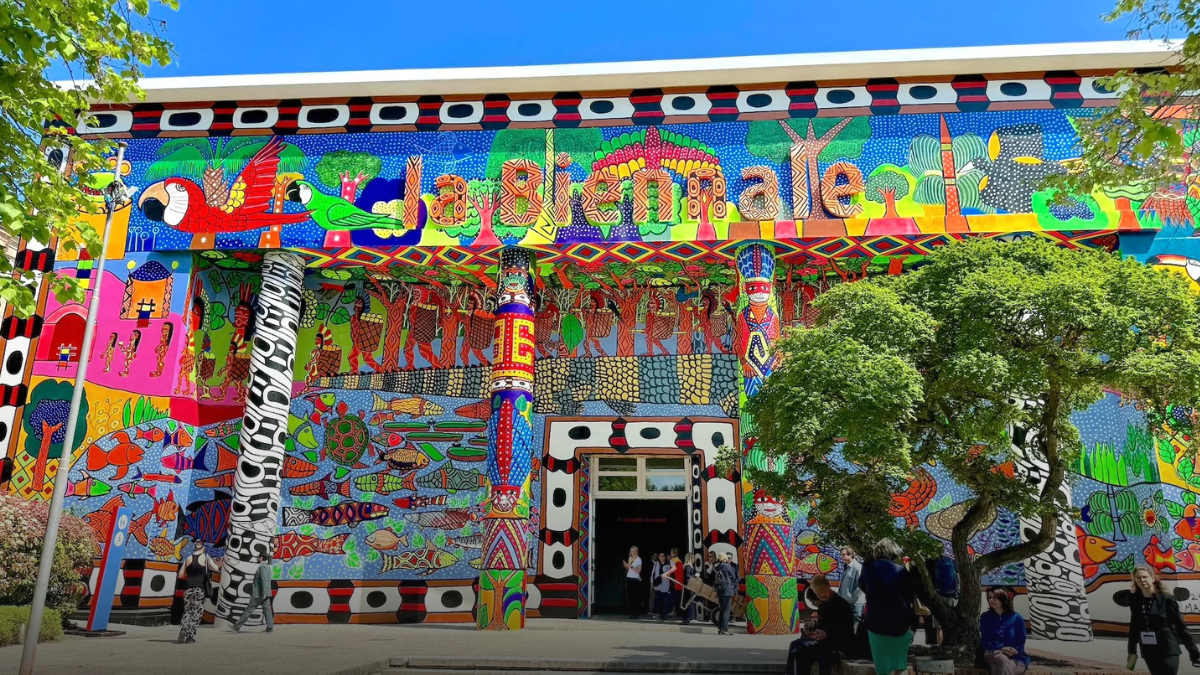
Venice Biennale (La Biennale di Venezia) is one of the world’s most prestigious cultural and contemporary art fairs. Established in 1895, it hosts massive international artists and exhibitions that rotate every year. Coined as the "Olympics of art," it awards a golden lion prize and has grown over 130 years into an institution covering art, architecture, cinema, dance, music, and theatre. It hosts significant non-selling exhibitions worldwide, like the São Paulo Biennale, Whitney Biennial, and Gwangju Biennale, shaping artistic trends and validating artists globally.
Last, but certainly not least, there are regional art fairs that are more down-to-earth, especially for those who would love to support local artists and purchase art at an affordable price. Affordable Art Fair was launched in 1999 in London (but has since expanded to Amsterdam, Singapore, Hong Kong, Sydney, and Austin) with the critical mission to democratize the art market and make it more accessible and inclusive to the public. The fair intentionally has price caps ranging from $ 100 to $ 12,000 (depending on the city) to help shift focus from investing to collecting based on personal tastes. It is known for empowering emerging artists, which is vital for providing a platform for artists to reach new buyers and economic support. But this art fair doesn’t just stop there. It also has a social impact by partnering directly with regional charities and foundations to help promote art culture and boost the art fair’s footprint.
These aren’t the only art fairs out there. Plenty of new and recently established art fairs are gaining momentum, like The Aspen Art Fair (Aspen, CO), Destination Fairs (Marfa, St. Moritz, Ibiza), Tokyo Gendai (Yokohama, Japan), Freize Abu Dhabi to Miami Modern + Contemporary (MM+C), and Untitled Art in Miami, FL. These art fairs are gaining popularity because they move away from traditional fairs to the intimate, dynamic international art markets with unique contemporary art and boutique locations.
Top Art Fairs for Emerging Artists
Certain fairs are more accessible for independent and early-career artists. These tend to have more of an open-call submission process that allows independent participation. And they have lower booth costs compared to major institutional fairs, which can get pretty expensive. However, if you’re in a budget crunch and you know which art fair you want to participate in, there are grants out there that you can apply for that can help aid the financial burden. But you have to know where to look, and if you know our site, then you already know 😉.
Newer art fairs tend to focus on experimental or contemporary work, especially for those artists who are trying something different or doing research with a more sustainable approach to their process. And just because these art fairs are more nuanced, it doesn’t mean they lack support. Galleries, collectors, and art directors attend these art fairs, showing support for first-time exhibitors. It also provides the artists with the opportunity to network with curators seeking new talent. So if you’re wondering about participating in an art fair, know that the juice is worth the squeeze–you never know what you’ll get out of it.
How to Get Into Art Fairs (Applications & Selection)
This can be the most daunting and scary hurdle for any new artist. Most art fairs require structured application processes that typically include a portfolio, CV, and artist statement right off the bat. But this isn’t always the case. Some art fairs require gallery representation––these are most likely the higher-caliber art fairs like Basel or the Frieze Art Fair. Some art fairs require a jury selection based on originality and market fit. Whichever fair you choose to participate in, they all have deadlines that often close 6-12 months in advance; so it’s best to do your research and plan accordingly. And let's not forget, presentation quality matters; it will affect your acceptance.
Here are some quick tips to keep in mind when applying:
Submit cohesive work: Jurors look for a unified aesthetic or artistic voice. When submitting images of your artwork, ensure these are consistent in size, style, and color.
Professional photography: The images of your artwork will make or break your admission. Yes, sometimes it’s hard to capture your work, but make sure you have 3-5 professional, high-res, glare-free images. If you cannot take professional images, always ask a photographer friend (we all know of one).
Have materials ready: If you’re planning on participating in more than 1 art fair, ensure that your portfolio, CV, and artist statement are all updated and formatted correctly.
Invest in Mockup Images of Booth: Some art fairs require seeing how you would curate your booth, so this is worth having just in case they ask. If you’re with a gallery, this would be their responsibility.
Target the right art fairs: Do your research in advance. Some art fairs are pricier than others, and depending on where they are located, you’ll have to plan lodging and logistics too––which all can be costly.
Start small and scale up: If you’re new to art fairs, it’s best to test this with a local art fair and see if it’s the right fit. It also gives you an idea of what to expect at other art fairs and can help you build up your resume.
Costs, Fees, and What Artists Should Expect
Participation in art fairs requires financial planning and investment. I cannot stress this enough: plan ahead of time. The more time you give yourself, the better the outcome. Think of it as saving yourself from extreme stress.
Art fairs are not cheap, and booth fees vary widely depending on fair prestige. It also depends on where the art fair is taking place; so traveling, shipping, and insuring your artwork also add additional costs. If you’re an independent artist, then installation and marketing materials (like catalogs, prints, business cards) are also essential. For beginners, it's best to create a running Excel sheet with every art fair you want to participate in; add every detail: location, requirements, cost, and links so you can properly keep track and ensure nothing is missed.
I get the question if art fairs are worth it–and from experience, they really are. It’s how you get seen and establish yourself as an artist. But if you’re looking at it from a numbers standpoint, then this may vary. ROI will depend on sales, exposure, and long-term opportunities. When starting, there were some art fairs that I didn’t make anything from. And then others, I walked away very happy with multiple sales and new opportunities. It all varies. One thing to keep in mind is not to get discouraged. Just because one art fair wasn't successful does not mean all art fairs are like this. Remember, there are always external factors that are at play. If you look at each as an experience instead of success or failure, then you will be able to keep moving forward without hesitation.
How to Stand Out at an Art Fair
Strong presentation and branding are essential in crowded fair environments. If you do not have this in order, then it is not in your best interest to participate...YET. A cohesive visual identity is crucial when you start as an artist. Once you know what your medium is and your style, then creating your brand identity is the immediate step in professionalism, especially if you’re participating in art fairs.
To stand out, you want to ensure you have a cohesive identity across all displayed work––with a clear artist narrative or conceptual framework. It is ok to have other styles to sell, but have this on the side in case a potential client asks for more. Professional installation and lighting are key elements also. If your work looks like a child installed it, it will be noticed. This may have a negative impact. And if the lighting is poor, then you’re not giving your artwork the proper stage it deserves. Whatever you decide, make these things a priority.
Engagement is another way to stand out. Yes, this can be tiresome, and for some, a terrifying task. But the key thing to remember is people want to be able to converse with the artist. Selling artwork is half the battle, but getting to know your clientele on a more personal level will help gain their trust and have them coming back to buy more.
Last but not least, having a strong digital presence that supports the physical exhibition can also benefit. Art fairs are the busiest events and a lot of people come and go—but not all can buy on the spot. If you're like the rest of us, you tend to take pictures of what you like. And when a potential client is in a hurry, or cannot carry the artwork at present, or is traveling, most of the time they will ask if you have a website, or online options for purchasing. Having something digital for these types of people makes every bit of difference. In fact, this may win more people over than you think.
Digital vs Physical Art Fairs in 2026
The art fair landscape is evolving toward hybrid models—mirroring the same pattern happening across galleries and museums alike. Virtual fairs increase accessibility for global audiences, especially buyers or collectors who are interested in digital artworks. But physical fairs remain dominant for high-value sales. So it’s only fair to see major art fairs get on board with the technology.
Hybrid formats combine online previews with in-person exhibitions; Art Basel Miami and Untitled Art Miami Beach are examples; however, we began seeing this in 2018/2019. These hybrid models provided a solution by reducing the geographical limitations on artists. It is one of the many silver linings in the digital era. But digital formats are not all we see. NFTs continue to influence fair programs, and as many spectators have debated, this fad isn’t going anywhere anytime soon.
Bottom Line
Whether you’re thinking about participating in art fairs or have stopped participating, one thing holds: art fairs remain a strategic but competitive pathway for career growth. If you have a strong body of work, art fairs are best suited for you. They can lead to gallery representation—which can propel your career to more prestigious global art fairs, or they can lead to long-term collectors.
But one thing to note is selecting wisely which art fair you participate in. It’s ok to test the waters with the smaller ones, but it is far more important to be strategic than to focus on volume. Being a part of an art community is also in your best interest. Sharing experiences with other artists can help you choose which art fair to participate in, but always take this at face value. Not every experience will be the same for you. Success depends on preparation, branding, and follow-up.
For more creative insights, check out our blog page or follow us on Instagram.