

3 Types of Artists – Money, Love or Recognition

For as long as artists have been around, there has always been a driving motive behind what they do. The majority of artists claim they create for passion, but few are purely honest about what actually motivates them. And let’s face it, getting paid for something that you love to do is something we all strive for–but for the past couple of decades, it has been taboo to speak or admit that money is the driving factor. However, this isn’t always the case.
We tend to romanticise art as pure expression, yet behind every masterpiece is a deeper motive we tend to omit. In reality, nearly every artist falls into one of these three categories: money, love, or recognition. And the uncomfortable truth is, whatever your answer may be, it shapes everything about your artwork, even to the overall success.
This article explores each type of artist, the psychological connections associated with them, and the hard truths. Let’s dive in!
The Money-Driven Artist 💸
The first category is always on the back of our minds, especially when it’s the ultimate goal. Some artists don’t just want to create; they want their work to pay for their life. And who wouldn’t? In reality, there’s nothing shallow about that; it’s the same as being in any other job and wanting a decent salary for it.
With money as the driving force, these creators tend to treat art as a business, focusing on income streams, pricing strategies, and scalability. Their biggest strength is discipline and understanding what actually sells within the market, not just what feels good to make. But the tradeoff can be a subtle killer. When every decision is filtered through profit, creative identity starts to erode. The real debate isn’t “selling out”–it’s whether financial success gives you the freedom or quietly reshapes your creative voice.
There are always two sides to everything. There have been plenty of artists who went commercial, with the financial intention of expanding their art into the world of commerce for profit. But this leads down another rabbit hole. When your art is accessible to the masses, does the artwork become diluted? This avenue can bump you into a different category, and the real question at hand is, are you just a creative entrepreneur?
The harsh truth is that creating for financial gain can lead to burnout real quick. If you’re not honest with yourself before you pick up a paintbrush or sculpting tool, then the career you once loved will become a burden. Knowing is half the battle. Defining who you are and your motives can give you a sense of clarity and will prevent burnout.
The Love-Driven Artist ❤️🔥
Love is a powerful thing…or so I’ve heard. And artists fueled by passion create beautiful works. These artists are the ones who create even when no one is watching; money is far from their minds. These creators are mainly driven by dynamic emotion, curiosity, and the burning need to express something internal, often intangible. And I’m certain everyone has seen some examples of these types of artists, but let’s refresh the memory:
Vincent van Gogh – He was driven by dedication and emotional intensity, and, with this as his staple, his works often came at the expense of his mental health and financial stability. His deep connection reflected his attitude, famously stating, “I put my heart and soul into my work, and I have lost my mind in the process". (We can relate! 😅)
Frida Kahlo – She was driven by emotional pain and heartache, which often showed up in her artworks. These powerful, surreal/realist, and emotional paintings reflected the psychological torment of her love life.
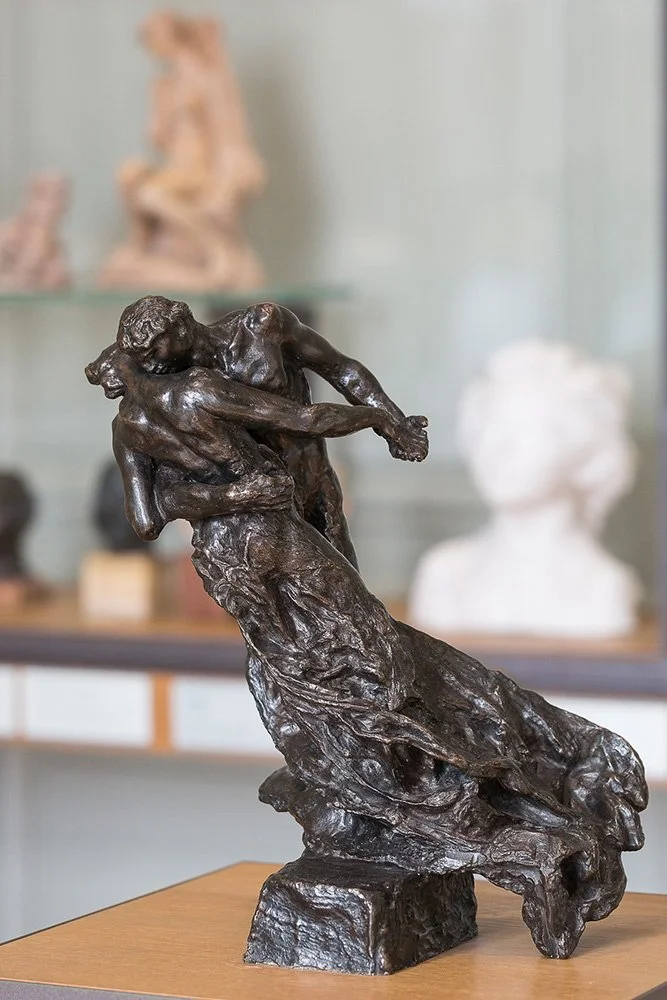
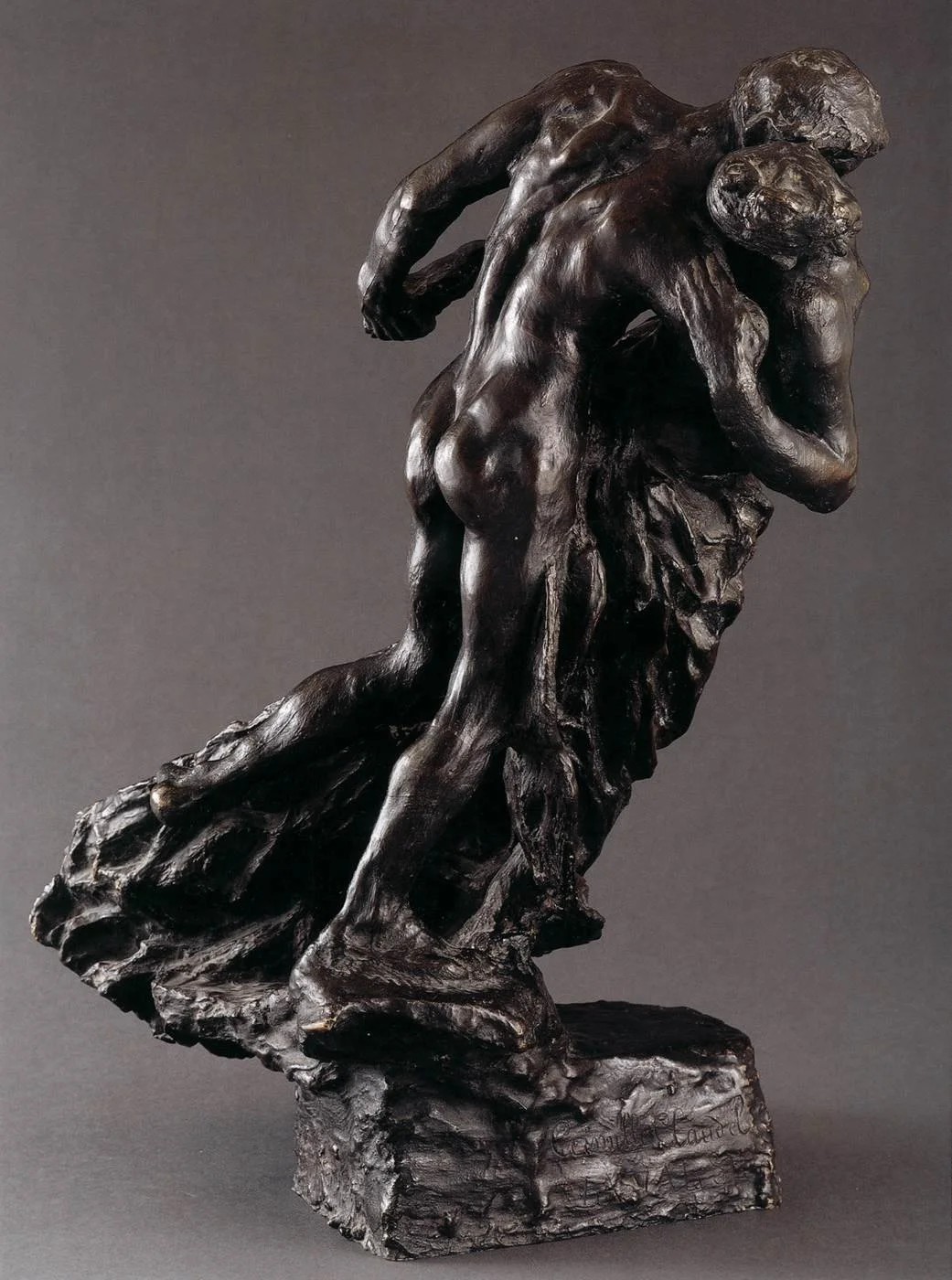
Auguste Rodin and Camille Claudel – Artist Mentor (Auguste Rodin) and Pupil (Camille Claudel) shared an intense romantic love affair that propelled the pair to collaborate on numerous sculptures. Although their relationship was toxic, Claudel’s passion is what fueled one of their masterpieces, “The Waltz” (image below)
Claude Monet – Driven by his obsession with light, his works not only capture the subtle transitions of light, but they also portray it in a very romantic way, resulting in a recognizable style we all know to love today.
These famous artists were some examples of creations from passion, love, and at times pure obsession. And because of this, their work tends to feel raw, authentic, and deeply personal in a way that can’t be manufactured, even if it were fueled by something else. However, passion without structure often leads to inconsistency, making it difficult to sustain a long-term career. Sometimes our emotions can get the best of us, and if you’re not careful or have a clear mindset, then the art career may be a rocky one.
The harsh truth is that passionate creativity is powerful, but on its own, it rarely builds stability. If you fall into this category, make sure to participate in group discussions or critiques to ensure you have support to help prevent you from going off the rails. Establishing healthy boundaries is very important, even in art.
The Recognition-Driven Artist 📸
Some artists are often driven not just to create, but also to have their work seen. And this desire shapes everything they produce. Recognition-driven artists prioritize visibility above all else, whether through social media, exhibitions, or cultural relevance.
Generally, these types of artists back their work with a methodical or robust concept, or a current trend that will capture their audience. And this could be anything from a new technique, a specific trend, or even highlighting sensitive conversational topics. But chasing validation can become a trap, where, if the artist is constantly comparing their work with others, then it will dictate their creative choices. At some point, the question becomes unavoidable: are you building meaningful artwork, or are you chasing attention?
The harsh truth is that fame or recognition will eventually fade away. Once the recognition is no longer relevant, panic sets in, leading the artist to lose control emotionally. One way to avoid this is to switch your focus, even take a break to allow yourself to reset your emotions. Planning the next body of work will allow you to shift your mindset away from fame and focus back on the work.
The Dangerous Myth: You Have to Pick One ☝️
The idea that you must choose between creating for money, love, or recognition is not just limiting; it’s misleading. I have fallen victim to this when defining who I was as an artist. But in my experience, most successful artists are not purely one type; they are a shifting combination depending on the stage of their career.
The real issue isn’t which category you fall into; it’s how off-balance you are within them. Leaning too heavily in one direction often creates the very frustration artists try to avoid. Yes, it’s important to identify your intentions, not only to promote clarity in the beginning, but also to know which avenue to take as you evolve within your practice.
One way to spot the signs is: burnout, emotional volatility, and lack of creativity. If you’ve experienced any of these throughout your artistic journey, then it’s time to look in the mirror and ask yourself the hard questions. Am I doing this for the love of creating? Am I doing this for the fame? Or am I doing this for the money? Whatever the answer may be, the one thing to keep in mind is honesty. When you are honest with yourself, clarity presents itself, and the path of redirection will soon appear. It is perfectly ok to pivot; all artists do. There is no definitive rule stating that if you start out creating for one, you cannot switch to the other.
How to Identify Your Dominant Driver 🔎
If you’re unsure what drives you, your decisions will reveal the truth. Pay attention to what feels like failure because that often exposes your core motivation. Honest self-awareness is truly uncomfortable, but it's also what separates the stuck artists from the evolving ones. Keeping a journal can help you see your behavior, progress, and evolution. Sometimes it doesn’t sink in unless we physically see it on paper.
And if you’re still stumped, before even diving into an art career, ask yourself the following:
Do I want my art to fully fund my lifestyle?
Do I want to keep the current job or take a risk on doing what I love?
Do I want to make a mark in history or create a legacy?
Am I truly afraid of people not liking my work?
These questions may seem trivial, but they can unlock some hidden truths you may be holding back. An artist who truly wants to make their career work will get uncomfortable to make a change.
How to Balance All Three for Long-Term Success ⚖️
A sustainable art career isn’t built on one motivation; it’s built on the tension between all three. Money will always keep your practice alive, love is what keeps it meaningful, and recognition helps it grow beyond just you. And ignoring any one of these will create blind spots, eventually slowing you down or burning you out. The goal isn’t perfection, it’s intentional balance that evolves as your career does.
Here are a few ways to follow within your practice:
➡️ Manage your money
Define your baseline; know exactly how much you need to sustain the lifestyle you want. Instead of solely relying on selling your masterpieces, explore multiple streams of income, for example, selling prints, teaching, offering workshops, etc. Lastly, value your work. Never compromise integrity just to make a quick buck; price your talent accordingly.
➡️ Protect Your Love
Know how to separate creative flow from everyday flow. Dedicate time to create purely for yourself; don’t let the necessity of selling or your current job dictate your path. Always maintain a parallel practice, meaning, keep core artistic experimentations separate from your financial responsibilities by setting boundaries. Scheduling time blocks of uninterrupted creative hours to devote to your practice will provide a sanctuary in order for you to create from passion.
➡️ Cultiviating Visibility
Define what recognition means to you; this can come from local gallery exhibitions, art communities comprised of respected peers, or even a digital audience. Identifying what type is more important to you is better than chasing a broad audience. Networking is another way to get your work seen. Attend gallery openings, local art talks, and participate in round table discussions to help build genuine relationships with fellow colleagues. You can also create your own artist meetup group or join an established one; this can boost creative morale, inspire, or even help spread the word of your work.
Bottom Line: Be Honest or Be Stuck
At some point, every artist has to confront the harsh truth about why they create, and most avoid it for far too long. But once you’re honest, you cannot hide behind vague ideas of “passion” anymore. Clarity gives you a sense of direction, but it demands responsibility for the path you choose. So the real question isn’t which type of artist you are, it’s whether you’re ready to admit it.
For more creative reads, visit our blog page!